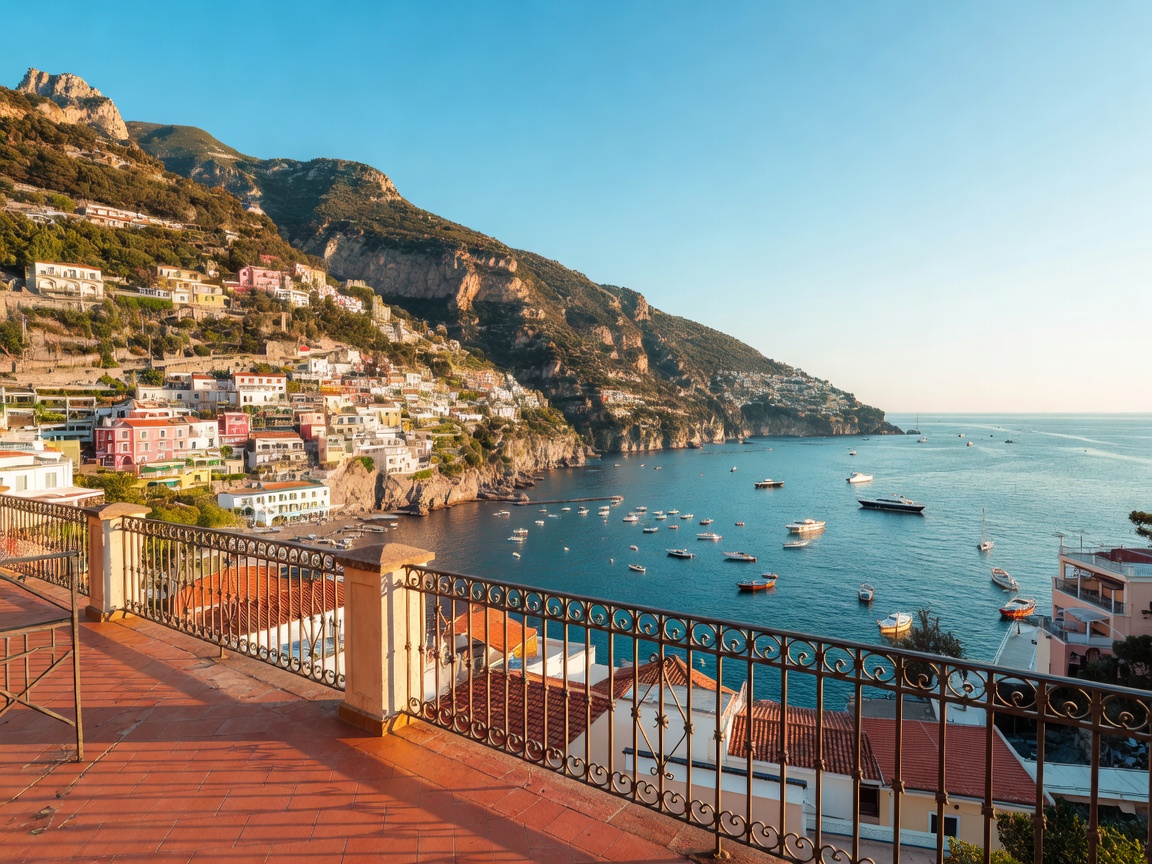
Amalfi Coast • Campania, Italy

Europe’s Most Dramatic Cliffside Sea-View Hotels

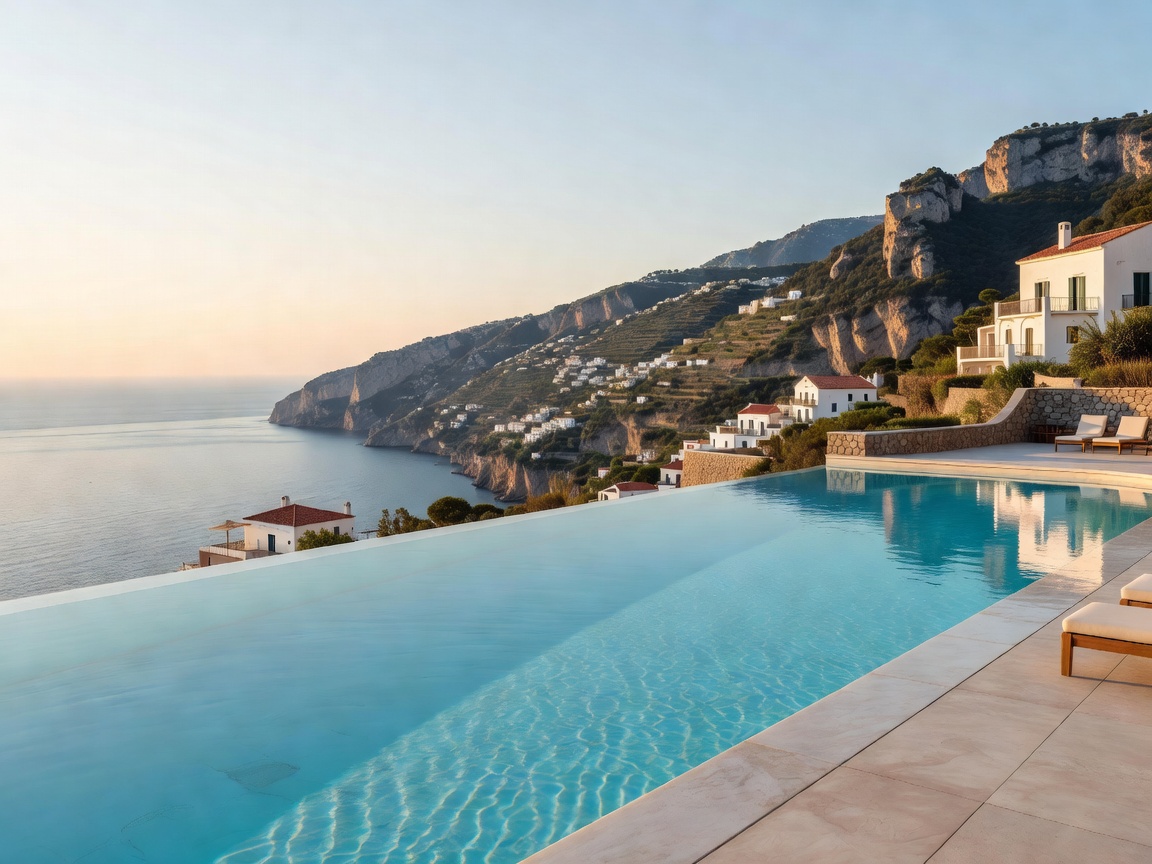
Suspended hundreds of feet above the azure Tyrrhenian waters, the vertical settlements of Positano, Praiano, Amalfi, and Ravello host the world's most breathtaking architectural masterworks.

Tyrrhenian Sea Vistas • UNESCO World Heritage Cliffs • Curated Architectural Review
Descend Coastline

Geology, Architecture & The Vertical Horizon

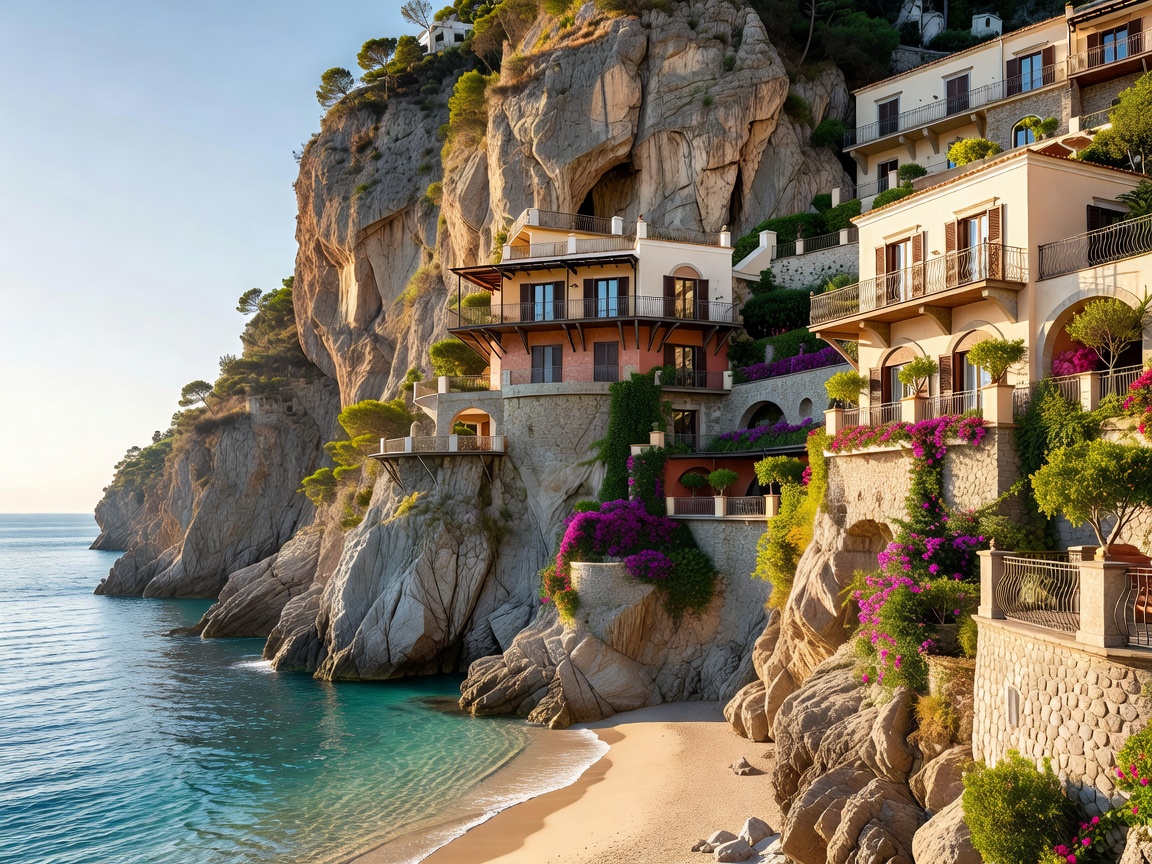
The coastline between Punta Campanella and Salerno forms one of the most sheer topographical confrontations between mountain and sea on the European continent. For centuries, building upon these sheer limestone cliffs was considered an act of survival; today, it stands as an apex of civil engineering and luxury hospitality.

The Geometry of Mediterranean Terracing

Traditional Amalfi masonry relies upon dry-stone retaining structures known locally as macerine. In cliffside hotel design, modern architects have reinforced these historical foundations with deep-bore micropiles and reinforced volcanic basalt. This structural mastery allows guest chambers, cantilevered dining balconies, and heated infinity plunge pools to float effortlessly hundreds of meters above the surf.

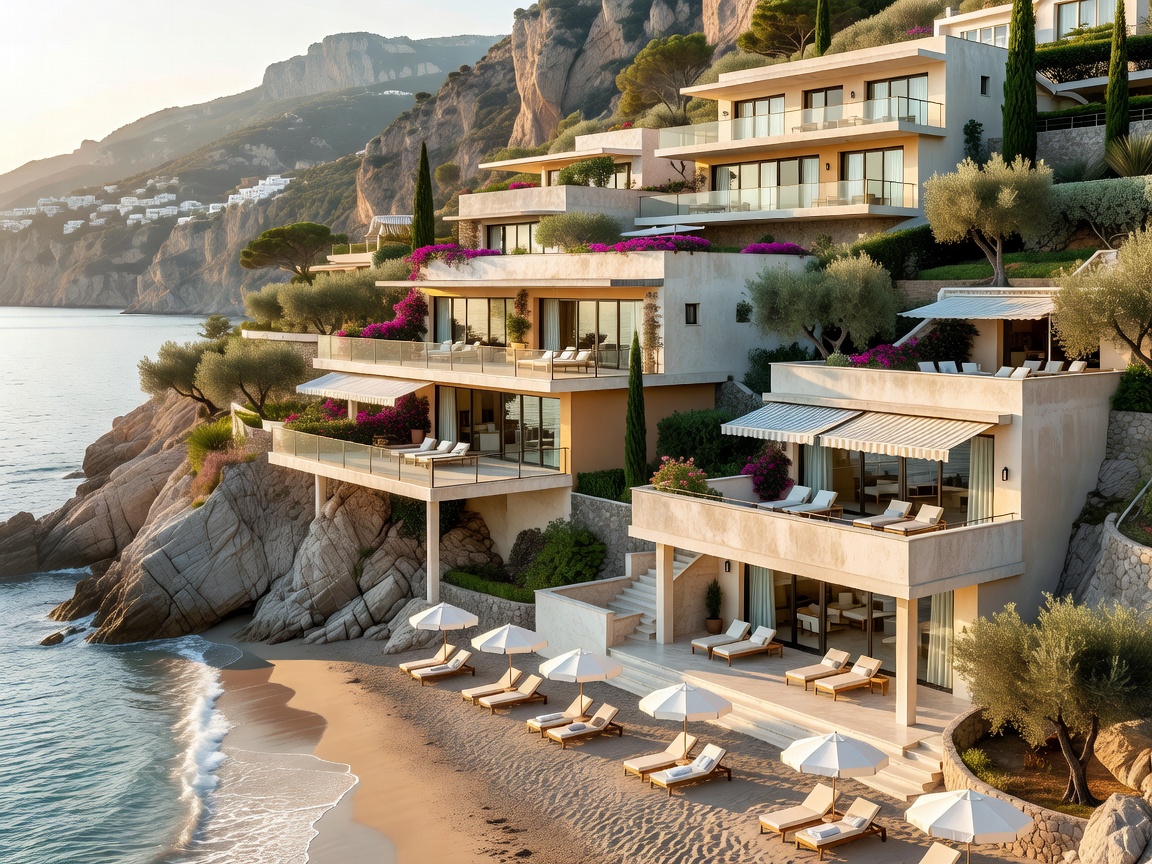
Rather than sprawling outward across flat pastures, Amalfi properties expand vertically. Movement through these estates requires private subterranean elevators, inclined cog funiculars, or stone stairways cut directly into the maritime cliff face.

Sunlight Exposure & Coastal Microclimates

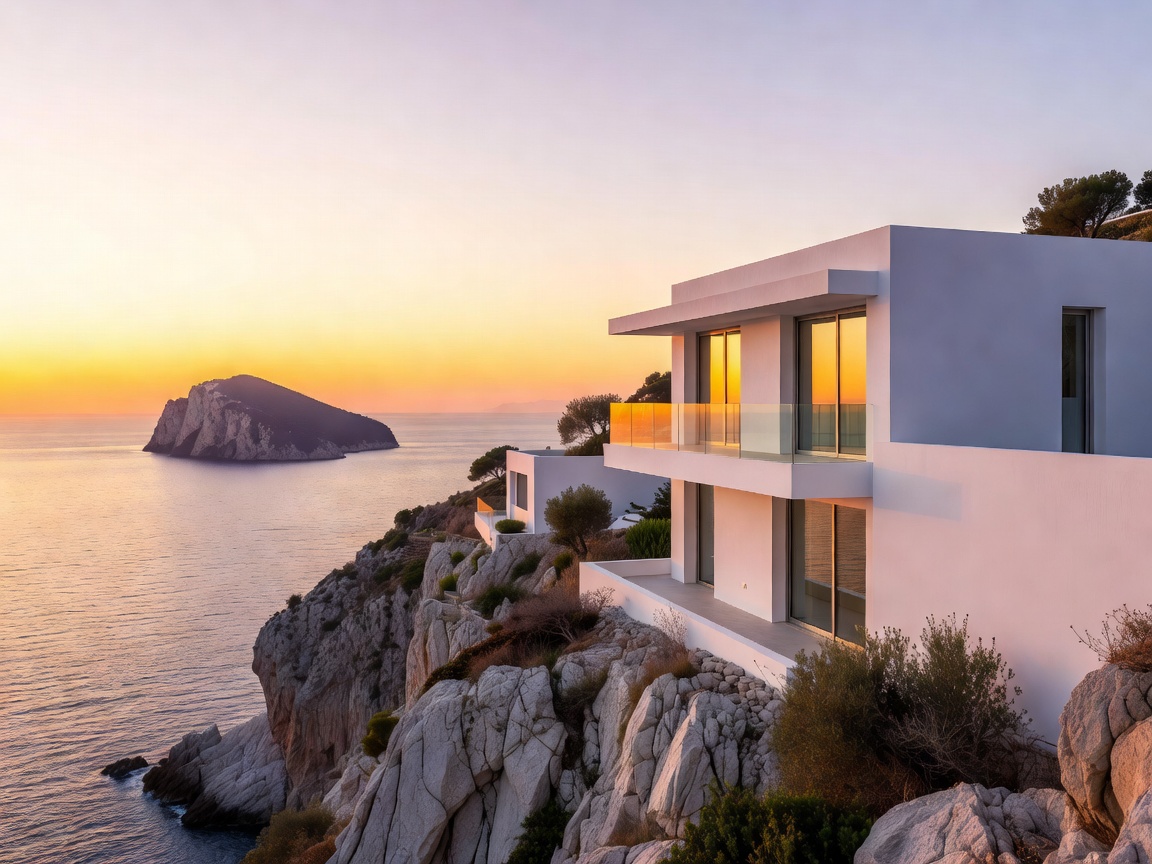
The orientation of each coastal cliff dictates its microclimate and lighting conditions. In Positano and Praiano, west-southwest orientations capture extended golden-hour sunsets illuminating the Faraglioni rocks of Capri. In contrast, Ravello sits elevated 350 meters above sea level on an east-facing saddle, providing cooler maritime breezes, morning sunrise illuminations over the Gulf of Salerno, and reduced coastal humidity.

Discerning travelers must evaluate not only the star rating of a cliffside sanctuary, but also its sun elevation angle, stair traversal requirements, and sea-level accessibility.